Beginning with Scientific Inquiry toward Practical Use: The Journey of Peptide Research
Peptide science is an exciting and fast-changing field connecting molecular biology and pharmaceutical science, providing exciting possibilities for both research and therapeutic applications. Fundamentally, peptides are small sequences of amino acids that play crucial roles in cellular communication and signaling. Grasping https://zenwriting.net/rotatenation89/the-amazing-secret-potential-of-protein-fragments-revolutionizing-healthcare of these entities can provide insights into everything from fundamental biological mechanisms to the creation of innovative drugs.
As we journey through the journey of peptide science, we will examine the key inquiries surrounding peptides. What exactly are peptides, and how do they work? How do they differ from proteins? With advances in scientific methods and technologies, scientists are discovering the vast possibilities of peptides as therapeutic agents, especially in the discovery and development of drugs. Peptide Sciences will guide you through the foundational aspects of peptide science, introducing key ideas and discussing the latest innovations that are shaping the future of this important area of study.
Grasping Peptide Compounds: Essential Concepts and Significance
Peptides are short strands of amino acid residues linked by covalent links, and they serve a vital role in multiple biological activities. Typically made up of 2 to 50 amino acids, peptides can be grouped into different kinds based on their size and role. They act as signal carriers, hormones, and components for proteins, making them essential to cellular communication and function. Comprehending what peptides are and how they work is important for deciphering their value in contemporary biology and medicine.
The importance of peptides reaches to their capability to connect with specific receptors on cell surfaces, initiating various cell responses. This communication is essential for regulating various physiological processes, including metabolic functions, immune response, and tissue repair. As science peptides continue to explore the complexities of how peptides interact with cells, they find new mechanisms and mechanisms that can lead to new therapeutic approaches in disease treatment and boosting health.
Furthermore, the growing field of peptide science showcases their potential in drug development and therapeutic applications. Man-made peptides, designed to replicate natural peptides, are progressively being studied for their therapeutic potential. Understanding peptide structure and operation enables scientists to design more effective drug candidates that can specifically address disease mechanisms. As advancements in peptide research continue to progress, their importance in both basic biology and practical applications remains a focal point of scientific inquiry.
Peptide Chains in Research: Discovery and Utilization
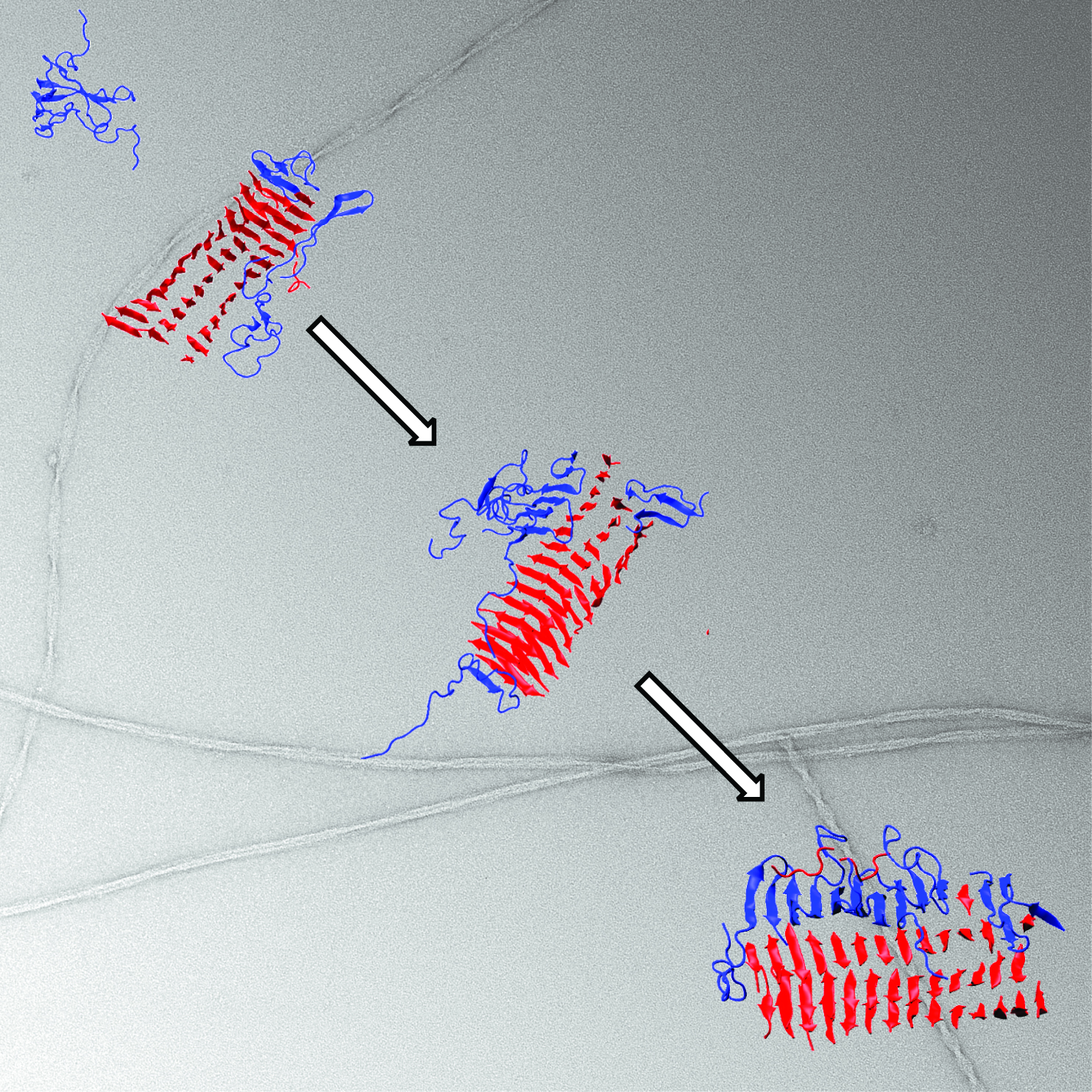
The investigation of peptide chains in scientific inquiry has opened new frontiers in biological sciences and healthcare. Peptides, which are short chains of building blocks, serve as crucial bioactive molecules that help enable communication between cellular entities. Understanding their structure and function is key for scientists as they untangle the intricacies of cell signaling. The path of peptide discovery often begins with the recognition of endogenous peptides in living beings, leading to insights about their functions and potential applications in various fields.
In recent years, scientific advancements have enabled the creation of peptides in the laboratory, enabling researchers to design specific peptides that mimic or improve the functions of natural ones. This artificial methodology has led to innovative applications in pharmaceutical development, where peptides act as treatment options or function as prototypes for medicinal innovation. The growing demand for targeted and effective treatments has spurred efforts to create therapeutic peptides, making them a central theme in modern biomedical research.
As the field continues to progress, researchers are using cutting-edge methods such as mass spectrometry and computational biology to enhance the characterization of peptides and improve their robustness and biological activity. These advancements underscore the promise of these compounds as effective instruments in health research, promising to connect the gap between basic science and practical applications. With ongoing discoveries and new technologies, the prospects of peptide science looks bright, offering novel pathways for therapeutic interventions and enhancing our understanding of biological mechanisms.
Future Paths in Peptide Research
Progress in peptide-based science are poised to transform treatment methods across different areas, including cancer care, immune system studies, and metabolic conditions. Researchers are now targeting on the design of peptide drugs that can precisely focus on specific cellular pathways, allowing for enhanced targeted and successful treatments. This method is projected to minimize negative outcomes and enhance patient outcomes. Furthermore, the integration of artificial biology and peptide design is creating new opportunities for creating peptides with improved robustness and bioactivity.
The inclusion of artificial intelligence and machine learning into peptide research is revolutionizing how researchers detect and enhance sequence patterns. These technologies allow the rapid assessment of extensive data collections, leading to the identification of new peptides that could have considerable medical potential. By predicting the behavior of peptides and interplay through computational models, scientists are simplifying the identification process, cutting time and resources related to standard processes.
In alongside drug development, the implementation of peptide-based solutions in diagnostic testing is gaining momentum. Peptides are being investigated as biological markers for early disease identification, offering a minimally invasive way to track health conditions. As our knowledge of how peptides interact within complex biological systems advances, future research will likely focus on integrating peptide-based technologies with personalized medicine, paving the way for customized therapeutic approaches that cater to the unique needs of patients.