Beyond the Electrical System: A Journey in the World of an Electronics Expert
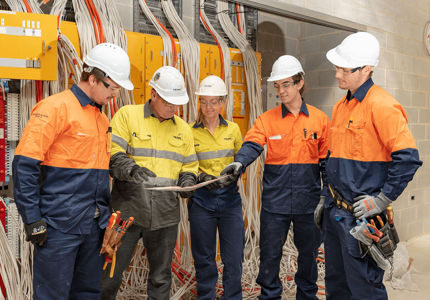
Electrical professionals play a essential role in ensuring our houses and enterprises operate securely and effectively. From regular maintenance to emergency repairs, these skilled professionals are the backbone of our electrical systems. But what does a normal day look like for an electrician? Join us as we investigate the daily life of an electrician, plunging into the challenges they encounter and the knowledge they bring to each task.
As we disentangle the complexities of their work, we will emphasize important topics that property owners should be aware of regarding electrical safety and energy efficiency. From understanding common electrical problems in historic homes to realizing when it's time to call a professional, having a grip of these issues can equip homeowners to make knowledgeable decisions. Let's take a closer look at the domain behind the circuit and reveal the crucial contributions electricians make to our daily lives.
Crucial Signs for Skilled Help
Homeowners should be vigilant about the signals that indicate the need for expert electrical help. One of the most typical indicators is frequent circuit breaker interruptions. This situation may suggest an excessive circuit or defective wiring, which can lead to significant safety concerns if not addressed promptly. If you find yourself restarting the breaker repeatedly, it's time to reach out to a licensed electrician to assess the root cause.
Another key indicator is blinking lights. While it may appear like a trivial annoyance, it can indicate wiring faults or loose connections that, if neglected, can escalate into more significant electrical failures. An electrician can support detect the source and provide the appropriate repairs to make certain your home's electrical system operates properly and effectively.
In addition, if you see odd smells, such as smoky, coming from outlets or switches, it is vital to get professional help without delay. This could indicate dangerously hot wires or insulation, posing a serious fire threat. Taking prompt action by reaching out to a qualified electrician can avert potential catastrophes and safeguard your home and family.
## Crucial Electrical Improvements for Performance
Upgrading to energy-efficient lighting is among the easiest and most effective ways to boost the efficiency of your house . Swapping traditional standard bulbs with LED lighting not only lowers energy use but also extends the longevity of your fixtures . LED lights bulbs use a small amount of the electricity, often running up to 25k hours of use, which can create significant savings on your energy bills over time . Additionally, they are offered in different styles and brightness levels , allowing residents to adjust their illumination while taking a greener choice.
Evaluating smart residential technology is an additional significant upgrade. Smart thermostats , for example , can optimize heating and cooling based on your everyday schedule, resulting in decreased energy usage . Residents can also operate lights , devices, and even their heating, ventilation, and air conditioning system from a distance , ensuring that energy is not wasted when a room is not in use. Click here to find out more of smart technology not just enhances ease of use but also contributes to a more efficient home environment .
Lastly , enhancing your electrical system can greatly boost your home's efficiency, especially in historical houses . Many outdated panels were not designed to handle the power demands of today's devices and electronics . An improved electrical system can more effectively manage power distribution, preventing overloads and reducing energy loss. This upgrade is crucial for making sure that your home can accommodate additional eco-friendly systems and is aligned with current safety standards .
Protection and Maintenance in Power Networks
Power systems require routine maintenance to ensure safety and effectiveness. Homeowners should be aware of the importance of regular electrical inspections, especially in historic homes where wiring may become degraded over time. An inspection can detect potential risks such as damaged wires or old circuit breakers, allowing for prompt repairs that can prevent electrical fires or system failures. Ignoring these inspections can lead to dangerous situations, making it crucial to engage a professional electrician consistently.
In addition to inspections, homeowners should adopt best practices for electrical security. This involves using surge suppressors to safeguard appliances from power surges, which can be caused by various factors such as storm activity or damaged wiring. Educating family members about the risks of water and electricity, especially in areas such as restrooms or kitchens, is essential. For families with small children, specific protective steps like outlet covers and cord management can avoid accidents and ensure a safer living environment.
Upgrading electrical systems to include energy-efficient solutions can also enhance security and lower energy expenses. Smart home technology, such as smart thermostats and LED lighting, not only lowers energy consumption but also offers additional safety features, like automated lighting schedules that deter intruders. Installing these modern upgrades can greatly increase property value and improve overall power safety, establishing a modern, efficient home that aligns with current standards for electrical networks.