From Contours and Lines to Structural Developments: The Significance of Land Surveys
Terrain assessments perform a crucial function in the preparation and execution of construction endeavors, serving as a basis for both planning and evaluation. Such comprehensive surveys provide necessary information about the environmental and artificial elements of a site, including its shapes, heights, and geographical features. Understanding what a topographical survey is and the reasons it is important can greatly enhance project outcomes and effectiveness. Regardless of whether it's for residential projects, business locations, or major infrastructure endeavors, the information gained from these assessments are invaluable.
In the current rapid construction environment, the precision and thoroughness provided by topographical surveys are more important than ever. From discovering site limitations to informing drainage design, the information collected can save hours and money while ensuring compliance with regulatory requirements. As technology progresses, the techniques used in these assessments have also developed, incorporating tools like Global Positioning System, drones, and laser scanning. In this article, we will investigate the various aspects of topographical assessments, including the circumstances they are necessary, their impact on project outcomes, and the importance of selecting the appropriate surveying firm.
Understanding Geographical Measurements
Terrain assessments are thorough depictions of a piece of land that depict the physical features and shapes of the land. These surveys capture not only the heights and depressions of the land along with the current infrastructures, vegetation, and other notable natural elements. This comprehensive dataset is crucial for many purposes such as creation, land development, and site evaluations, providing a foundational knowledge of the area’s characteristics.
The importance of geographical assessments cannot be underestimated, as they enable planners, engineers, and builders to visualize the land's physical and artificial components. By understanding the shapes and key site features, construction teams can effectively plan construction plans, stormwater systems, and other key aspects of construction. This information is imperative in preventing financially burdensome errors and making certain adherence with lawful and environmental regulations.
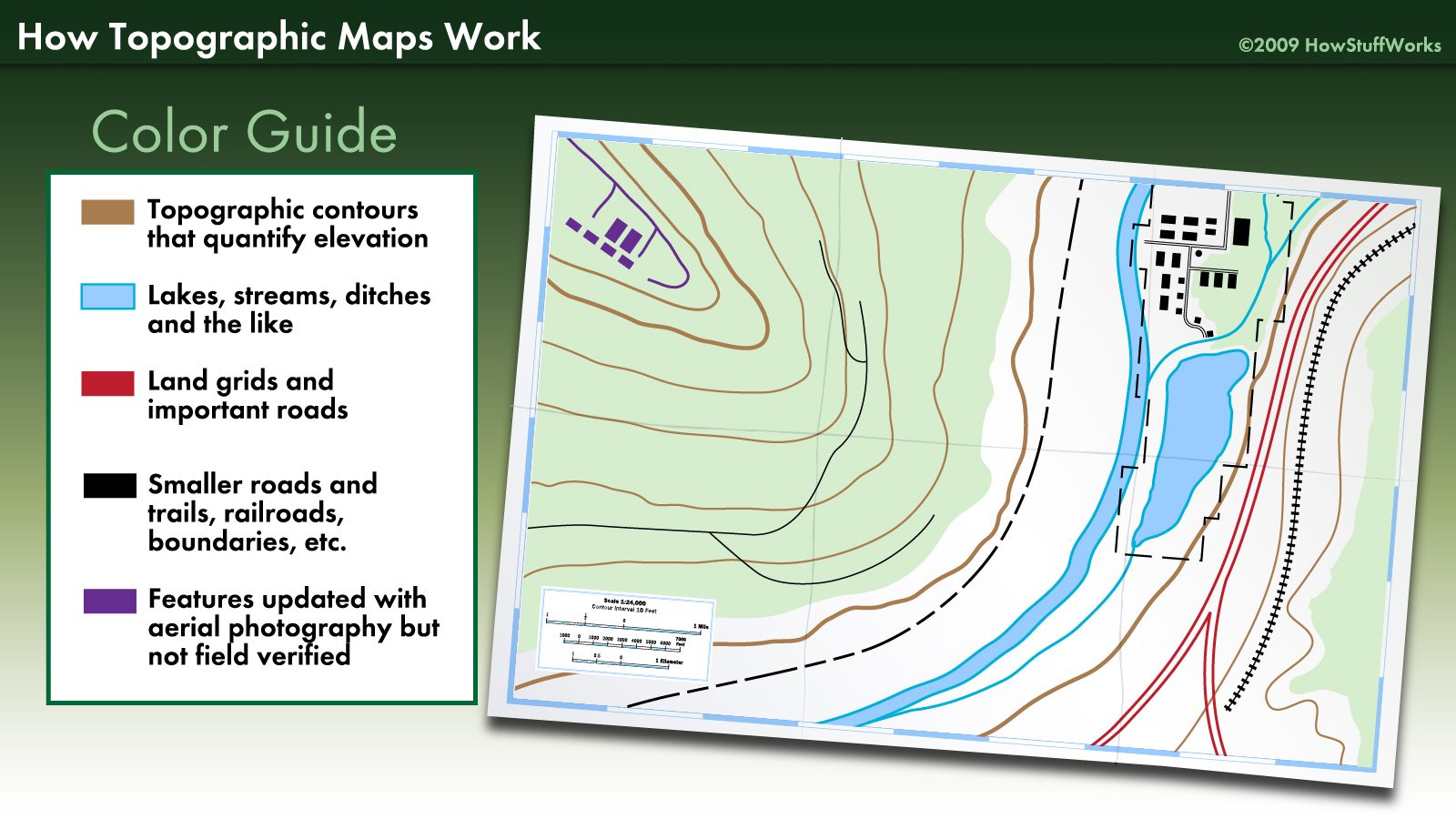
Moreover, developments in tech have transformed the way terrain assessments are conducted. Using Topographical Surveys Dorking Surrey as Global Positioning Systems, unmanned aerial vehicles, and 3D scanning has markedly enhanced the correctness and effectiveness of information gathering. These modern methods facilitate quicker surveying processes and provide detailed data that is necessary for informed planning throughout a development's timeline. As a outcome, terrain assessments have turned into an essential part of efficient development and building, certifying initiatives satisfy both design and safety requirements.
Significance and Applications
Terrain assessments are essential for a variety of initiatives, playing a critical role in both design and construction phases. They provide comprehensive information about the shapes and features of the land, which is essential for designers and engineers when designing buildings and infrastructure. By charting elevations, slopes, and land features of the area, these assessments help ensure that designs are practical and feasible, reducing the likelihood of costly revisions during building.
In addition to assisting in the design process, topographical surveys are crucial in obtaining planning approvals. Authorities often require this data to evaluate the possible impact of projects on the surrounding environment. An accurate survey can help identify site constraints and mitigate risks, making it more manageable to navigate the regulatory landscape and obtain the necessary permits for housing, commercial, or industrial projects.
Cutting-edge technology has enhanced the accuracy and efficiency of topographical assessments, allowing professionals to utilize tools like GPS, unmanned aerial vehicles, and laser scanning. These advancements not only save time but also improve the precision of the information collected, making it simpler to evaluate site conditions and strategize. Regular updates to surveys are also crucial as land characteristics can change over time due to various factors, ensuring that projects are based on the most current information on hand.
Digital Progress in Assessments
The incorporation of contemporary tech into geospatial surveys has revolutionized the way information is collected and examined. Developments such as Global Positioning System tech, unmanned aerial vehicles, and 3D laser scanning have enhanced the precision and effectiveness of evaluations, allowing land surveyors to capture extensive areas in a fraction of the duration it customarily took. These tools not only provide a comprehensive illustration of the terrain but also capture intricate features that would be hard to record through traditional approaches.
Unmanned aerial vehicles, in specific, have revolutionized assessment techniques by enabling skyward views and immediate data collection. Equipped with high-def cameras and LIDAR sensors, they can quickly collect topographical data across multiple landscapes. This capability substantially reduces staff costs and field time while improving the caliber of the data collected. Furthermore, the ability to develop 3D visualizations and visualizations from UAV assessments aids in better decisions during the preparation stages of building projects.
3D laser scanning tool enhances these improvements by enabling precise calibrations of complex systems and terrains. It creates extremely precise 3D point data that depict the surveyed region, which can be analyzed for multiple applications, including property development and ecological evaluations. The integration of these technologies allows for more thoughtful planning processes, ensuring that challenges are recognized and handled early in the project, finally promoting effective conclusions in development and property improvement.