Ground Control: The Essential Function of Surveyors in Urban Planning
As for property development, the importance of surveyors is frequently ignored but is truly vital. Surveyors are the professionals who measure and map land, ensuring that projects stay under legal boundaries and comply with regulations. Their expertise not only helps to determine property lines but also plays a key role in mitigating disagreements, guiding construction processes, and supporting secure infrastructure development. For property owners and developers, grasping the importance of surveying can mean the variation between smooth progress and financial setbacks.
Regardless of whether buying a piece of land or starting a new construction project, knowing what surveyors do and the importance of their services are essential is essential. From boundary surveys to topographic assessments, each type of land survey serves a distinct purpose that contributes to the overall success of property development. In this article, we will explore the diverse responsibilities of surveyors, the technology changing the industry, and the key questions to consider when engaging a professional. Regardless of whether you are a seasoned developer or a first-time buyer, a solid grasp of surveying can empower you to make wise decisions and navigate the intricacies of real estate with certainty.
Comprehending the Function of Surveyors
Land surveyors play a critical role in property development by providing essential data and insights about real estate and its borders. They are responsible for assessing and mapping out land features, which aids in clarifying property lines and guaranteeing adherence with zoning laws. Their expertise is essential not only for property buyers but also for developers, planners, and technicians, who rely on accurate surveys to guide their projects and avoid potential problems.
Before undertaking embarking on any building or land purchase, it is important to hire a qualified surveyor. They conduct a variety of surveys, including property line surveys, landform surveys, and detailed surveys, to gather thorough data. By assessing the lay of the land, surveyors help determine any potential issues, such as ordnance requirements or sustainability issues, that could impact development plans. Their work serves as the foundation for making wise decisions throughout the construction process.
Additionally, surveyors utilize cutting-edge technology to enhance their services, including GPS and UAV surveys. more info allow for greater reliability and productivity, optimizing the surveying process and delivering outcomes swiftly. As the industry evolves, the role of surveyors continues to adapt, making certain that they remain essential to successful construction projects.
Value of Surveying Land in Property Transactions
Surveys of land play a crucial role in property transactions, providing essential information that helps purchasers make wise choices. Before purchasing a property, a comprehensive survey can reveal critical details about the land's perimeters, terrain, and any likely encroachments. This data is vital, as it helps protect the buyer's investment and ensures that they are cognizant of any restrictions or issues associated with the property. Knowledge of these factors can prevent costly surprises down the line.
Moreover, precise land surveys are necessary for legal compliance and to affirm a clear title to the property. A properly conducted survey document serves as an authentic record that can settle conflicts related to property lines and easements. This documentation is vital for obtaining financing and insurance and may be required by lenders and local governments before any real estate transaction can be completed. Without a suitable survey, buyers risk legal challenges that could jeopardize their ownership rights.
In addition, land surveys can significantly influence the future use of the property. For example, understanding the zoning regulations and land classifications can guide buyers in their future developments, whether it involves home, business, or mixed-use properties. By engaging a qualified surveyor, buyers can gain insights that enhance their understanding of the property and its capabilities, ultimately leading to smarter investment decisions.
Tech Improvements in Land Surveying
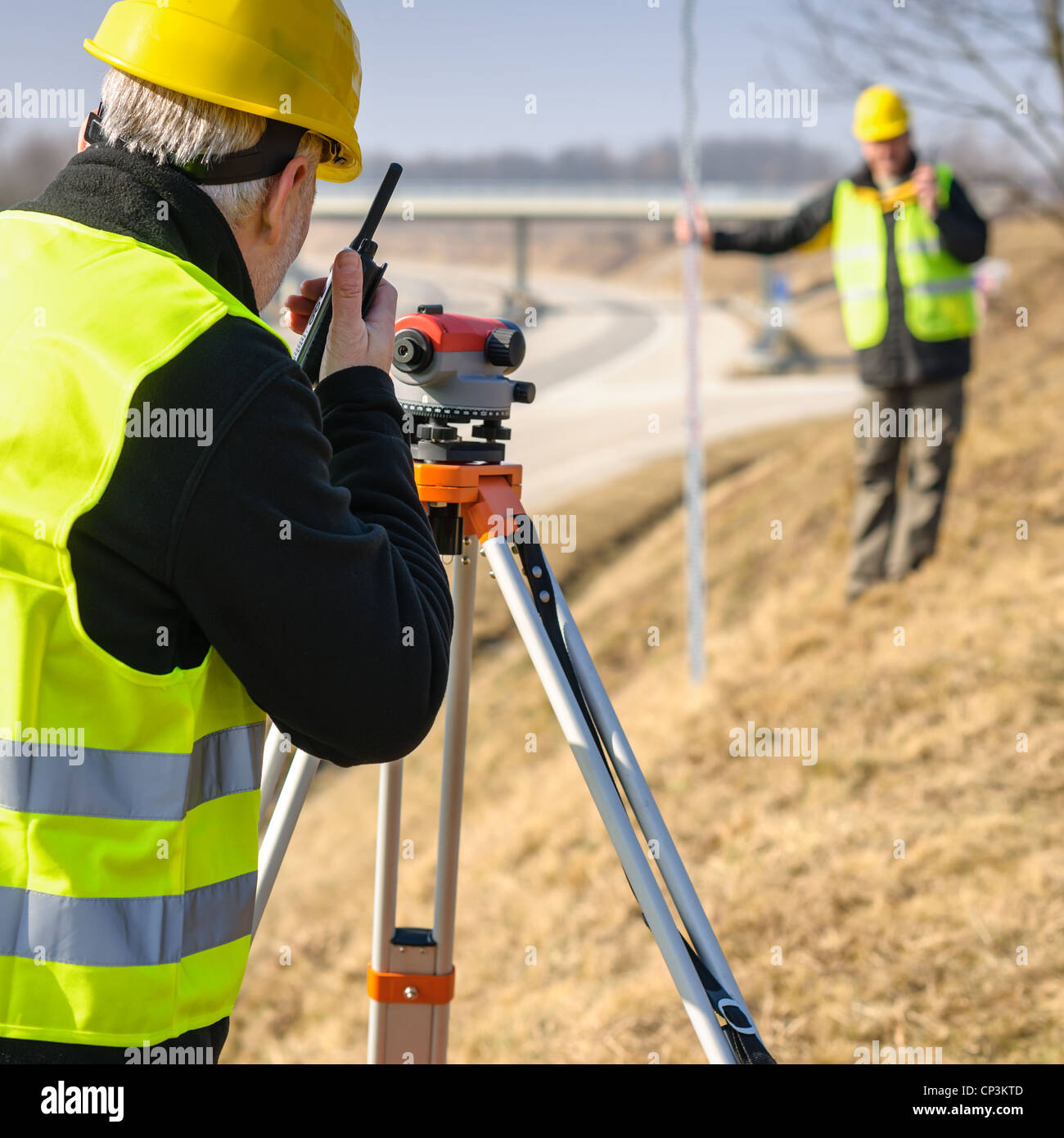
The field of geomatics has been changed by fast technology improvements that improve accuracy, efficiency, and data handling. Established tools like the theodolite instrument and leveling instrument have been augmented by innovative technologies such as Global Positioning System, unmanned aerial vehicles, and 3D laser scanning. The use of GPS allows surveyors to retrieve accurate location data with simplicity, while drones allow airborne surveys that encompass extensive areas rapidly, collecting detailed images and comprehensive terrain data. These advancements enable surveyors to collect data that was once time-consuming and difficult, significantly cutting work timelines.
3D laser scanning has notably transformed the process of surveying by providing thorough 3D representations of the environment. This technique not only increases measurement precision but also assists in visualizing complex structures and terrains. Surveyors can capture digitally the details of a site, creating a 3D point cloud that can be analyzed and modified to create accurate models. These advancements enable for better planning and implementation while reducing potential mistakes that could occur from conventional approaches.
As technology continues to advance, surveyors must modify and incorporate these tools into their practices. Emerging trends, such as the integration of AI and ML, are expected to further improve data analysis and predictive capabilities in surveying. These developments will enable surveyors to offer more in-depth insights and solutions to landowners and construction firms, making their role even more critical in the constantly changing landscape of construction and real estate development.