Nurturing Beauty: Methods to Sustain a Picture-Perfect Landscape
An lovely garden is a haven that brings joy and peace to our lives. However, maintaining that ideal garden requires devotion, knowledge, and a little effort throughout the year. Whether you are an experienced gardener or just embarking on your journey, knowing the necessary maintenance tasks for all seasons is crucial for maintaining your plants fit and colorful.
In this guide, we will uncover 30 crucial garden maintenance tips that can help you grow charm in your outdoor space. From spring checklists that set the foundation for growth to summer strategies for coping with the heat, autumn tasks to prepare your garden for winter, and cold season practices to safeguard your plants from frost, we will offer you with the resources and skills you need for efficient year-round garden maintenance. Join us as we explore the top strategies for caring for your garden, improving your property value, and creating a low-maintenance oasis that fits your lifestyle.
Throughout the Year Maintenance Strategies
Maintaining a picture-perfect garden demands a strategic approach that adjusts to each season's unique challenges. In spring, concentrate on revitalizing the soil by incorporating organic matter and performing a comprehensive inspection of your plants. Use a spring garden maintenance checklist that includes tasks such as trimming dead branches, splitting perennials, and starting your seedlings indoors. Early buzz and growth set the tone for the rest of the year, so taking action during this critical time is essential.
As the summer arrives, it's vital to redirect your maintenance efforts toward watering and pest management. Consistent irrigation is key to keeping your plants healthy in the heat, making sure they receive adequate moisture without watering too much. Understanding the importance of soil health will help you uphold nutrient-rich conditions during this time. Additionally, adopt effective weed control strategies to minimize competition for resources. Consider using mulch to preserve moisture and control weeds, which will ease your maintenance burden.
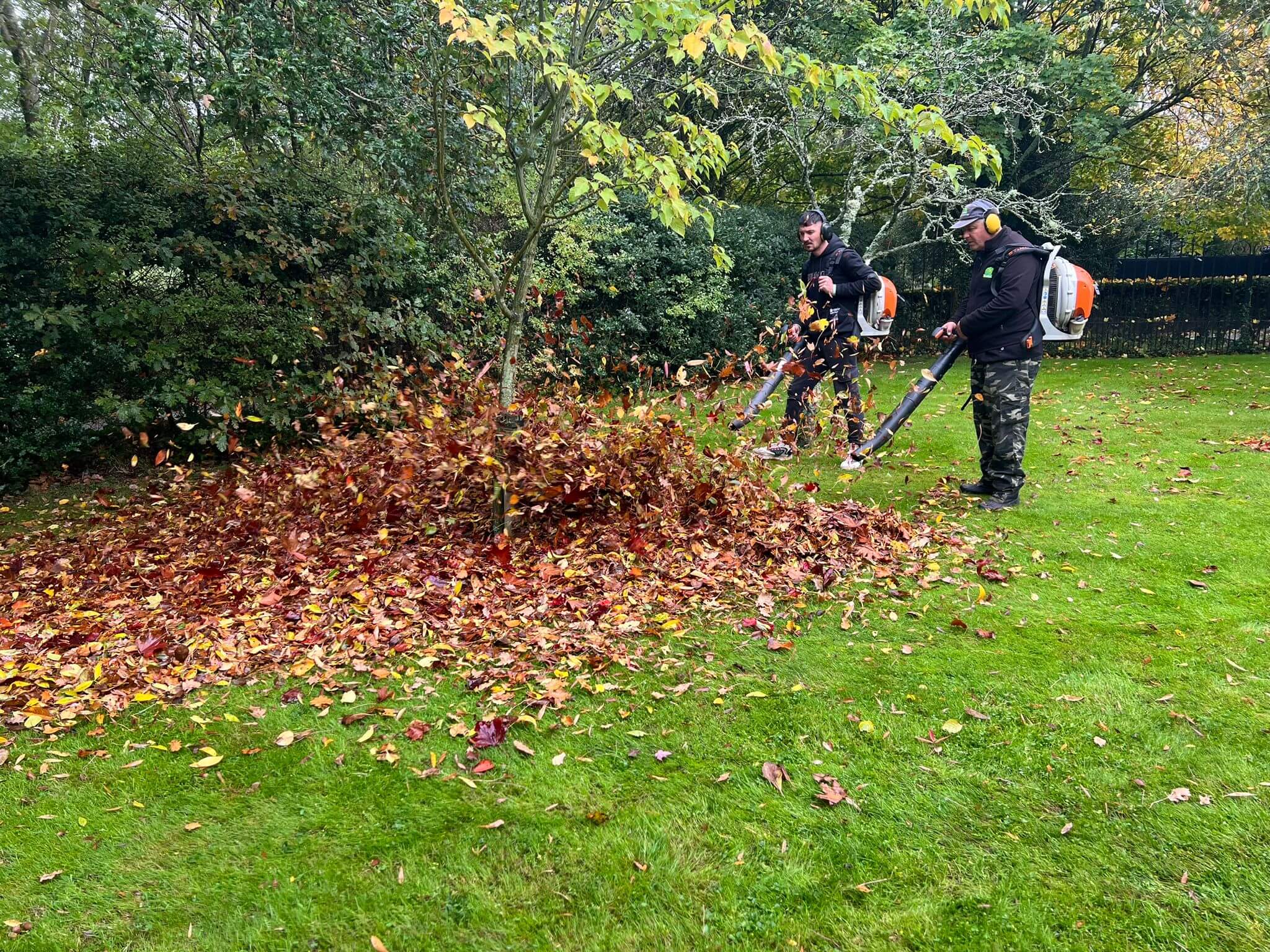
When the fall comes, preparation for the colder months begins. This season is critical for removing debris, which can harbor pests and diseases. Engage in autumn garden maintenance tasks such as sowing bulbs for spring blooms and performing hedge trimming for a tidy appearance. As the temperatures drop, ensure that your plants are safe from frost through proper mulching and the use of frost cloths if necessary. A well-maintained garden in the fall does not just safeguard your plants but also sets the foundation for a healthy resurgence in spring.
Seasonal Checklists for Optimal Care
Looking after a stunning garden requires care throughout the year. Each time of year presents unique challenges and chances for growth. In the springtime, it's essential to concentrate on rejuvenating your garden after winter. Start with a thorough cleanup, removing waste and any unhealthy plants. This is the best time to check your soil health and apply compost or fertilizers as necessary. Additionally, think about making a springtime garden maintenance checklist that includes planting new flowers, inspecting irrigation systems, and confirming that your lawn is ready for the warmer months.
As the summer season arrives, maintaining your plants becomes essential due to the heat. Irrigating efficiently is key, so be sure to review your irrigation methods and adjust them for the season. Regularly remove spent blooms flowers to promote continuous blooming and maintain an eye out for insects. This season also calls for mulching to keep moisture and regulate soil temperature. Implement summer garden maintenance tasks to guarantee your garden remains vibrant and healthy throughout the hotter months.
Autumn marks a change that should not be missed. Prepare your garden for the next winter by completing essential tasks such as cutting back, putting in fall bulbs, and removing fallen leaves. Creating an autumn garden maintenance checklist can help you stay organized and active during this busy time. Don’t forget to put down mulch to shield your plants from the cold and ensure that your soil remains nutrient-rich. These practices will set the stage for a flourishing garden come the next spring.
Frequent Challenges and Resolutions
Keeping a beautiful garden can commonly be met with difficulties that threaten both the visual appeal and health of your vegetation. One of the most common problems is pest infestation. These unwanted visitors can rapidly damage plants if not managed in a timely manner. To tackle this, implementing an holistic strategy for pest control is crucial. Consistently monitoring your garden, utilizing natural competitors, and applying organic pesticides when necessary can help sustain a healthy ecosystem while allowing your flowers growing well.
Another common challenge is handling unwanted plants, which contend with your crops for nutrients and hydration. Effective weed control strategies, such as mulching, and consistent cultivating, can greatly reduce the growth of weeds. Creating a low-maintenance garden plan with thoughtfully arranged plants can also lessen weed invasions by limiting the area available for them to thrive. Additionally, monitoring your soil condition will benefit your plants and control weeds.
Seasonal shifts can bring their own set of issues, such as covering plants from frost in the cold months or ensuring proper irrigation during the hot months. Developing a gardening maintenance plan that matches with seasonal demands is crucial. For example, during spring, focus on a comprehensive checklist that features pruning and using fertilizers. In summer, emphasize irrigation tips to guarantee plants remain hydrated. By adapting Garden Maintenance Skipton North Yorkshire to the seasons, you can successfully address the issues that come with each one.