The Dialect of Life: Understanding Protein Connections
Peptide molecules are often considered the hidden champions of biological processes, playing vital roles in everything from cell-to-cell signaling to immune response. At their essence, peptides are small chains of amino acids that can influence various physiological functions. They serve as messengers, hormones, and even as components of larger proteins, making them integral to life as we know it. Grasping how these small yet powerful molecules work opens the door to a deeper appreciation of their influence on health, disease, and our overall understanding of biology.
In this article, we will explore the captivating world of peptide science. We will study fundamental concepts such as the structure and function of peptides, their interaction with cells, and the significant distinctions between peptides and proteins. Through an examination of the techniques used to study these compounds and the advancements driving the field forward, we hope to shed light on why peptides matter in modern biology and what the future holds for this dynamic area of research. Whether you are a experienced scientist or simply curious about how life operates at the molecular level, understanding peptide interactions is key to revealing the mysteries of biological systems.
Grasping Peptides: An Overview: Fundamentals and Importance
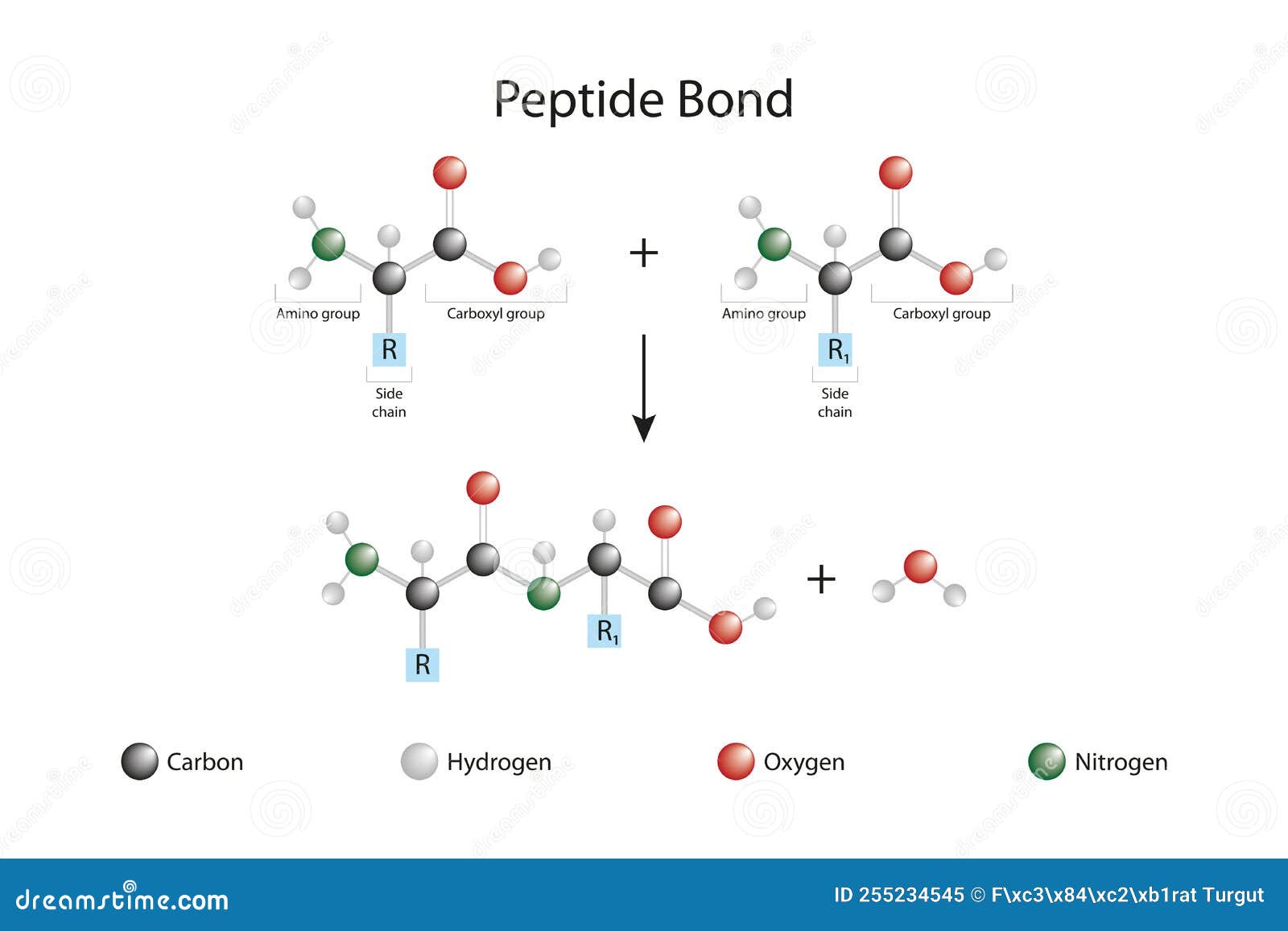
Peptides are short chains of amino acids linked by peptide bonds, and they serve a important role in biological systems. Consisting typically between two to fifty amino acids, peptides are separated from proteins, which are longer chains that assume intricate structures. Each peptide sequence is distinct, dictated by the specific arrangement of amino acids, which ultimately determines its function within the body. Their versatile nature allows them to perform a variety of roles, such as acting as hormones, signaling molecules, and enzymes.
The study of peptides is significant in modern biology as they are crucial to various physiological processes. From cell signaling to immune responses, peptides assist communication within and between cells, influencing everything from metabolism to growth. Their importance extends into medicine, where they serve as potential therapeutic agents for diseases, offering targets for drug discovery and advancements in biotechnology. Understanding peptide interactions contributes not only to basic biological knowledge but also to innovative treatments and therapies.
In recent years, advances in peptide science have unlocked new paths for research and applications. The ability to design and synthesize peptides with specific functions has led to enhanced techniques in drug creation and personalized medicine. As scientists continue to explore the complexities of peptide signaling and interactions, the field stands poised to tackle challenging medical issues, making peptide research a vibrant and promising area of study in life sciences.
Protein Interactions and Cellular Communication
Peptides serve a crucial role in cellular communication, functioning as messaging molecules that enable various biochemical processes. These small sequences of AA can attach to particular receptors on the surface of cell membranes, triggering a series of intracellular reactions that ultimately determine cell actions. The capability of these molecules to transfer signals between cellular entities is essential to preserving balance and regulating numerous bodily processes such as development, energy processing, and defense mechanisms.
Grasping how these molecules engage with cellular structures necessitates a comprehension of their structural features and the specifics of binding site interaction. The sequence of the building blocks in a protein dictates its structure and electrical properties, which in turn affects its ability to identify and attach to specific binding sites. This interaction is extremely selective, as only peptides with the appropriate structural shape can effectively stimulate a receptor, leading to changes in genetic expression and cellular activity. This exactness underlines the significance of protein building block arrangements in determining protein functionality.
Studies into protein engagements is advancing quickly, aided by cutting-edge methods such as spectrometric analysis and computational biology. These approaches allow scientists to characterize these molecules and analyze their behavior in detail, paving the way for advancements in drug discovery and therapeutic applications. By https://temple-hartvigsen-2.blogbright.net/exploring-the-therapeutic-possibilities-of-peptides how these molecules interact with cellular entities, scientists aim to utilize these molecules for targeted therapies and to unveil new routes in cell signaling that could lead to the creation of new therapies.
Progress in Polypeptide Research and Implementations
Latest breakthroughs in peptide investigation have disclosed new dimensions in their implementations across multiple fields, particularly in medicine and biotechnology. Scientists are investigating the therapeutic potential of peptides as specific treatments for diseases, including cancer and autoimmune disorders. Novel peptide-based drugs are being designed with increased targeting and reduced side effects, offering a promising substitute to traditional small-molecule drugs. As our knowledge of peptide interactions grows, the development of more accurate and effective therapeutics is both feasible and on the horizon.
Furthermore, the utilization of artificial intelligence and bioinformatics into polypeptide research has speeded up the recognition and optimization of polypeptide chains. High-throughput screening techniques allow scientists to rapidly synthesize and assess thousands of peptide variants, enhancing our capacity to identify new bioactive compounds. This evolution in polypeptide identification methodologies not only improves research efficiency but also expands the extent of useful polypeptides that can be tailored for particular implementations, such as as testing agents, imaging tools, and therapeutic agents.
In furthermore to healthcare applications, polypeptides are also becoming vital in alternative fields such as farming and nutrition science. Polypeptide-based solutions are being developed to boost crop resilience and ensure food safety through antibacterial peptides that can prevent the proliferation of pathogens. As polypeptide science continues to develop, the cross-disciplinary approach to understanding their diverse roles promises exciting discoveries that may transform the upcoming environment of both human health and ecological sustainability.