Trading Fees Explained: Grasping Costs on Digital Asset Exchanges
Navigating the realm of cryptocurrency trading can feel daunting, particularly for novices. Amidst the swift rise of digital currencies and the array of platforms available, understanding the costs linked with trading is essential for making informed decisions. One of the most critical factors to consider is trading fees, which can fluctuate greatly between various platforms. These costs may seem minor at first glance, but they can accumulate quickly and impact your overall gains.
In this thorough guide, we'll explain trading fees and examine the details of crypto trading platforms. We will study the key features that set apart the best platforms from the others, provide insights on how to choose the right one for your trading method, and underscore the value of user experience and security. As Digital Asset Trading Platform are a novice looking to take your initial steps into the crypto market or an experienced trader aiming to refine your tactics, this article will provide valuable information to assist you maneuver the world of crypto trading while keeping costs in control.
Comprehending Crypto Trading Services
A cryptocurrency exchange service serves as a digital marketplace where users can buy, offload, and exchange various cryptocurrencies. These platforms provide the necessary infrastructure for traders to execute trades, manage their portfolios, and access market data. By connecting buyers and sellers, a trading platform simplifies the process of transacting in digital currencies, allowing users to focus on making knowledgeable trading decisions rather than dealing with complex transaction methods.
Typically, crypto exchange services fall into two main types: centralized and decentralized. Centralized platforms, like well-known exchanges, operate under a single organization that manages user accounts and trades. They offer higher liquidity and user-friendly interfaces, making them suitable for both beginners and experienced traders. Decentralized platforms, on the contrary, enable peer-to-peer trading straight between traders, providing greater privacy and control, albeit with a steeper learning curve and potential for lower liquidity.
To choose the right cryptocurrency exchange service, traders should consider several factors, including fees, security features, trading options, and customer experience. It is essential to assess how each service aligns with individual trading goals and preferences. Understanding the features and structure of different platforms can significantly impact a trader's general success and contentment in the cryptocurrency market.
Determining the Best Crypto Trading Platform
Choosing the best crypto trading platform is crucial for novice as well as experienced traders. When getstarted your inquiry, evaluate your trading demands and targets. Several platforms cater to diverse groups, from casual investors to seasoned traders dealing with advanced strategies. Ensure that the platform you choose fits your trading frequency, asset preferences, and intended investment duration.
Additionally key element is the user experience of the platform. A user-friendly interface can make a significant change in how quickly you can move through the platform and perform trades. Search for platforms that feature intuitive designs, mobile capabilities, and navigability features. Reading user reviews and trying demo accounts can provide insight into how user-friendly a platform is and whether it fulfills your expectations.
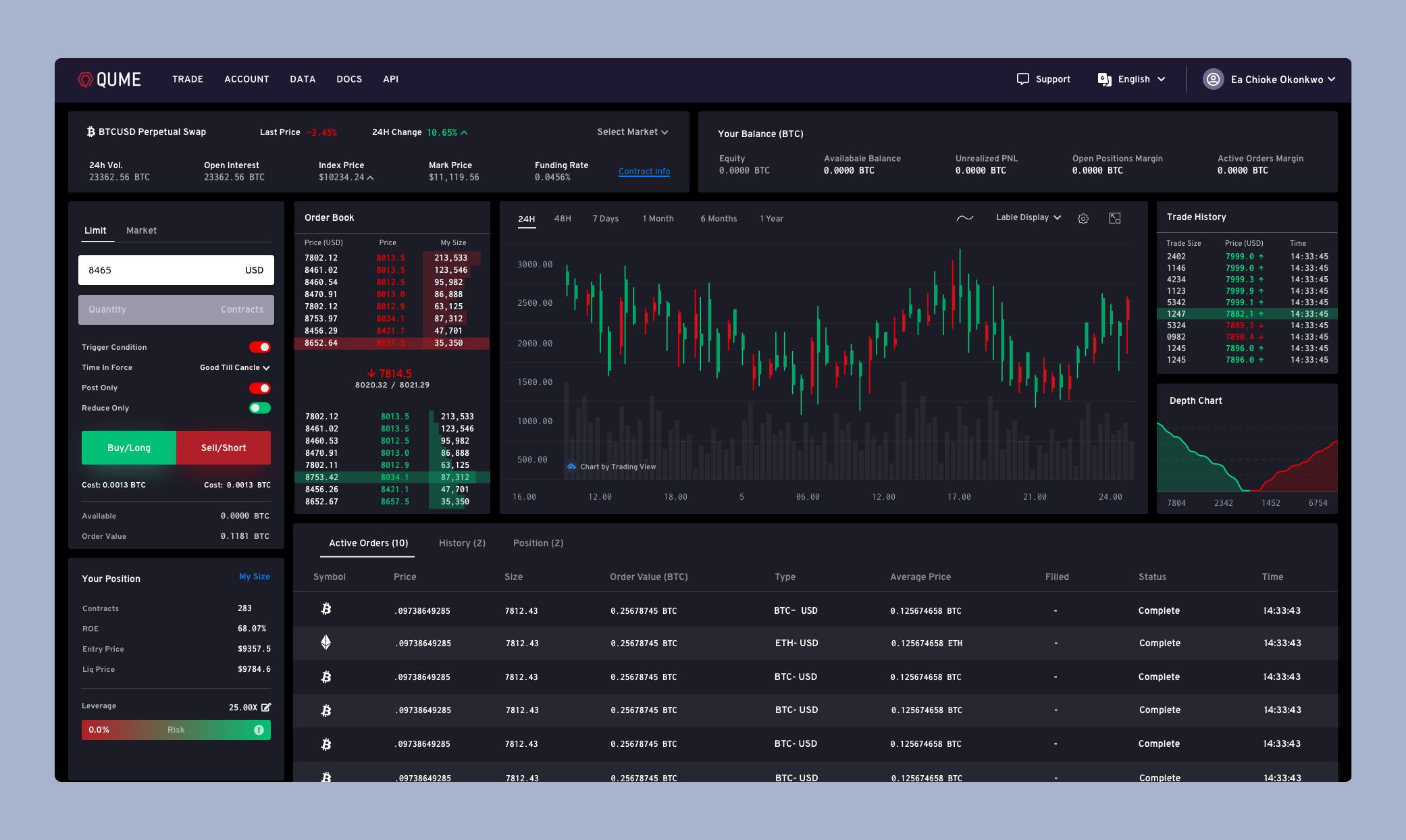
Additionally, pay close attention to the scope of features offered. A superb crypto trading platform should offer fundamental tools such as instant market data, advanced trading options like margin and spot trading, and security measures to keep your investments secure. It is also crucial to know the fee structure associated with the platform, as low fees can substantially enhance your overall trading experience and profitability.
Understanding Trading Fees and Expenses
Understanding the multiple trading fees linked to cryptocurrency trading platforms is essential for every investor. These fees can significantly influence your overall trading profitability. Typical fee structures include trading commissions, withdrawal fees, deposit fees, and spreads. Some platforms provide a tiered fee structure, where fees decrease based on your trading volume, whereas others may have flat fees. It’s vital to carefully examine how each fee is applied to ensure you are informed of how they stack up with repeated trading.
When picking a cryptocurrency trading platform, carefully evaluate the fee structure in relation to the services available. Some platforms may provide reduced fees but compensate with restricted features or poor execution speeds. Conversely, more well-known platforms might charge higher fees but provide advanced trading tools, better liquidity, and enhanced security features. It is essential to strike a balance that aligns with your trading strategy and investment goals.
Lastly, don’t neglect hidden fees that might not be immediately apparent, such as inactivity fees or additional costs for features like automated trading or advanced charts. Always examine the fine print and think about conducting a cost-benefit analysis of multiple platforms. By being knowledgeable about the fees you will encounter, you can make more informed decisions and improve your trading experience in the ever-evolving world of cryptocurrency.