Unlocking the Possibilities: The Next Frontier of Peptide Technology
Peptide science is a fast-growing field that offers remarkable insights into the building blocks of life. Peptides, small sequences of amino acids, play vital roles in numerous biological processes, from signal transduction to immune responses. As scientists delve deeper into the intricacies of these molecules, we are beginning to reveal their vast potential for applications in therapeutics, biotechnology, and further areas. This article aims to guide readers through the essential concepts of peptide science, making it easy to comprehend to those who may be new to the topic.
Grasping what peptides are and how they function is fundamental to grasping their significance in modern biology. Differing from proteins, which are often much larger and more complex, peptides are shorter sequences that can still have strong biological effects. With a emphasis on the science behind peptides, we will explore their structure and function, the way they engage with cellular receptors, and the techniques used to study and identify these intriguing molecules. As we gaze into the future of peptide research, the potential for groundbreaking therapies and drugs becomes ever more apparent, making this an thrilling time for scientists and researchers in the field.
## Understanding Peptides and Their Functions
Chains of Amino Acids that play significant roles in diverse biological processes. Comprised of 2-50 amino acids, these molecules are the foundational units of proteins and serve as communicative molecules within the body. Their small size permits them to perform diverse functions, including acting as hormonal messengers , neurotransmitters , and biological catalysts. By influencing cellular activities, peptides greatly contribute to the regulation of metabolic functions such as energy processing, immune response , and tissue repair .
The mechanisms by which peptides communicate with cells are complex yet fascinating . Peptides exert their effects by binding to particular receptors on the surface of target cells. This interaction triggers a cascade of cellular responses that can alter the expression of genes, enzyme activity , or cell behavior . Understanding how peptides initiate these responses is crucial to grasping their biological significance and therapeutic potential. Research in this area continues to reveal the complexities involved in peptide-receptor interactions, shedding light on how these molecules influence health and disease.
The distinction between peptides and proteins is also important in appreciating their functions. While proteins are larger and more complex, made up of lengthy sequences of amino acids, peptides represent more concise segments that can fold into defined structures. In spite of their size differences, both peptides and proteins are vital for the functioning of cells. The selective roles that peptides play in signaling pathways highlight their relevance in modern biology and underscore their promise as targets for drug development and medical treatments .
Peptide Discovery and Investigation Methods
The process of peptide discovery is a multifaceted effort that involves various advanced techniques to explore their capabilities and functionality. Rapid evaluation enables scientists to quickly evaluate large peptide collections, finding candidates with specific biological functions. This speed is crucial in drug identification, where time and financial efficiency can greatly influence the outcome of studies. Additionally, new bioinformatics tools are increasingly used to forecast peptide interplay with biological targets, facilitating the discovery of promising compounds for further study.
Characterization of peptides is an essential step in comprehending their structure and function. Methods such as MS play a vital role in analyzing peptide makeup, enabling researchers to determine molecular mass and arrangements accurately. peptides science provides information into the three-dimensional structures of proteins, revealing how their conformations affect cellular functions. Together, these methodologies help scientists create comprehensive profiles of peptides, laying the groundwork for their application in various domains, including treatment.
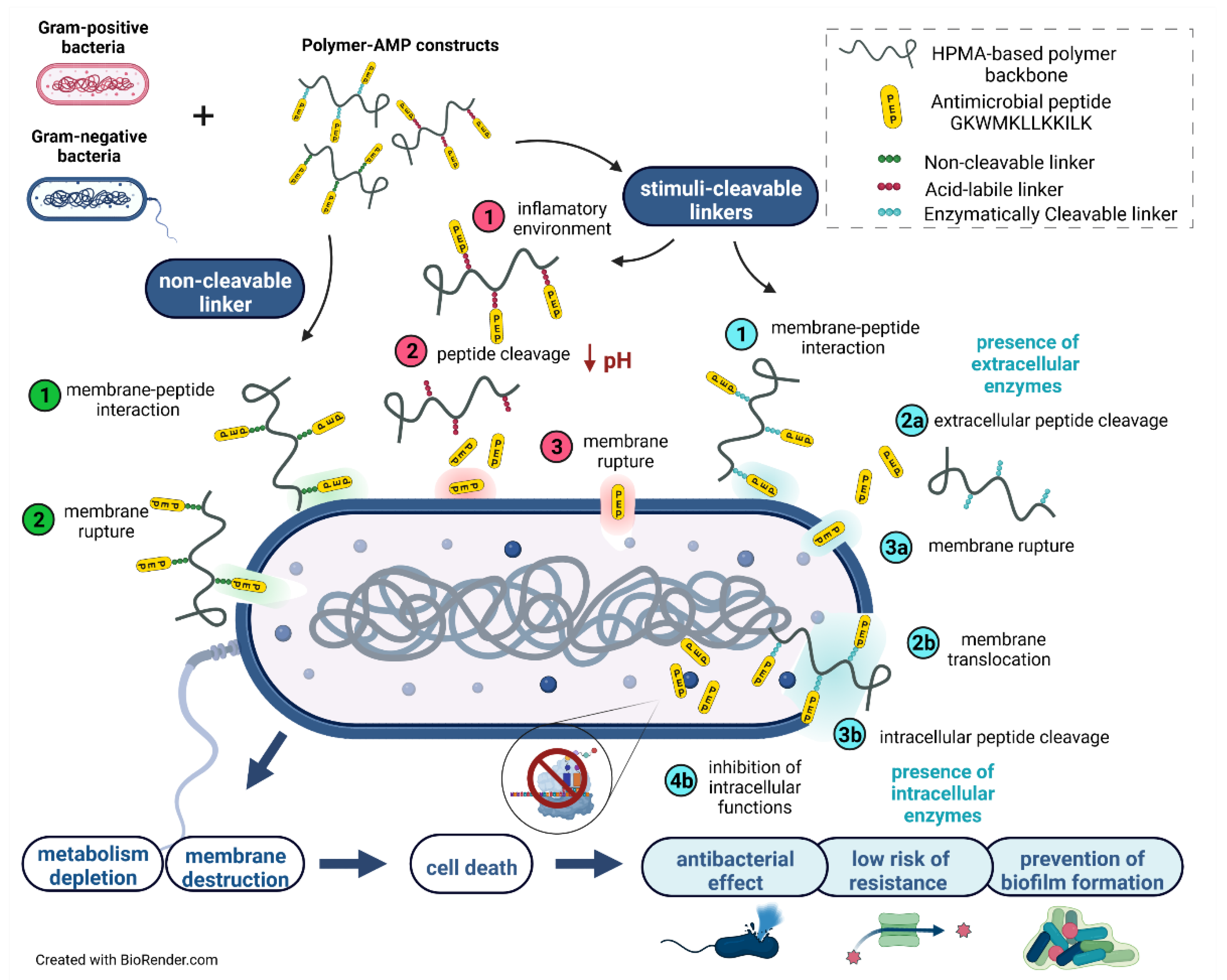
In contrast to traditional methods, new technologies are transforming the landscape of peptide investigation. Computational biology and AI are now being harnessed to model protein actions and predict interactions with cellular pathways. These developments are crucial for creating targeted therapies and comprehending methods of function. As the field evolves, the combination of new bioengineering methods is leading to the development of synthetic peptides with improved stability and bioactivity, placing peptide science at the leading edge of contemporary life science research.
The Prospects of Peptide Science and Applications
That outlook of peptide-related science will be poised for remarkable advancements, fuelled by continuous research and tech innovations. With the power to mimic biological processes and address specific cellular functions, peptides are being explored as therapeutics for various diseases, including cancer, metabolic disorders, and nervous system disorders. The development of synthetic peptides not only provides a avenue for more precise treatment options but also opens doors for creating tailored therapies that address to unique patient needs. As scientists explore further into comprehending peptide interactions and activities, the potential for new drug candidates keeps to evolve.
New technologies such as in silico biology and machine learning are revolutionizing peptide discovery and characterization. Such tools allow researchers to anticipate peptide behavior, optimize amino acid sequences, and study peptide-target interactions more efficiently. Additionally, advancements in bioengineered biology allow the design of increasingly intricate peptide structures with enhanced stability and efficacy. This collaboration between computational methods and laboratory experimentation is expected to accelerate the development of peptides with targeted functions and decrease the time from concept to clinical application.
Furthermore, peptide libraries will play a crucial role in the future of peptide science, acting as critical resources for discovering new bioactive peptides and enhancing existing ones. By offering a wide range of peptides for screening, researchers can uncover promising candidates for therapeutic use faster. As the landscape of peptide research evolves, collaboration among interdisciplinary teams will be essential to close gaps between fundamental science and practical applications, which will unlock the full potential of peptide technology in medicine and other fields.