Winter Comforts: The Secrets of Mastering Your Wood Burning Stove
As the chill of winter arrives, numerous of us commence to look for warmth and comfort in our houses. There is something uniquely inviting about the light of a fireplace that merely enhances the atmosphere but also acts as a strong heating method. For those unfamiliar to this traditional tradition, mastering a wood burning stove can seem overwhelming. However, with the right understanding and a few practical tips, anyone can enjoy the cozy benefits of their stove while ensuring efficiency and safety.
In this piece, we will investigate the realm of wood burning stoves, covering everything from selecting the right type for your home to grasping the best woods to combust. Whether you're considering setting up or currently a proud user looking to enhance your time, our comprehensive resource will reveal the tips of making the most of this classic heating option. Get ready to welcome the warmth and appeal that a fireplace can provide to your winter nights and days.
Learning about Wood Burning Stoves
Stoves that burn wood have a rich history that spans many years, evolving from basic heating methods to sophisticated appliances that improve home ambiance. They function by burning dry wood to produce heat, and modern units come equipped with advanced technologies for improved efficiency and safety. With a wide variety of designs available, they not only serve a functional purpose but also add character to living spaces.
One of the key advantages of wood burning stoves is their ability to provide a renewable heating solution. Unlike fossil fuel-based systems, wood burning can be a sustainable energy source if managed properly. Homeowners can significantly reduce their carbon footprint by using eco-friendly firewood and taking care to minimize emissions through proper operation and maintenance techniques.
Choosing the right stove that burns wood involves considering several factors such as size, design, and heating capacity. It is essential to evaluate your space, assessing factors like insulation and room size, to determine which stove will meet your heating needs. Understanding these elements will help you make an educated decision that maximizes the benefits of a stove that burns wood in your home.
Safety and Upkeep Fundamentals
When using a wood burning stove, security should consistently be a top priority. It is crucial to ensure adequate ventilation to prevent smoke from filling the room. Putting in place a carbon monoxide detector in proximity is also a sensible precaution, as this can rapidly alert you to any dangerous buildup of this odorless gas. Furthermore, consistently maintain a safe distance between flammable materials and the stove. This consists of keeping items, drapes, and firewood at least three feet away to minimize fire risks.
Routine maintenance is key to maximizing the performance and durability of your wood burning stove. Start by inspecting the chimney for soot buildup and blockages at least a single year. Cleaning the chimney regularly helps avoid chimney fires and ensures smoke moves properly. Additionally, inspect the stove's seals and gaskets; worn-out components can lead to inadequate burning and heat loss. Replacing these parts when needed can greatly improve performance and safety.
In conclusion, proper wood storage and selection are vital for both security and efficiency. https://townandcountryfiresyorkshire.co.uk/best-eco-wood-burners-yorkshire/ in a dry, well-ventilated area to prevent moisture absorption, which can lead to excessive smoke and creosote buildup. Be discerning with the type of wood you burn; dried hardwoods like oak and maple ignite cleaner and produce less smoke compared to softer woods. Steer clear of burning treated or painted wood, as this can emit harmful chemicals into your home. Following these safety and maintenance recommendations will help your wood burning stove functions securely and efficiently.
Improving Efficiency and Cozy Atmosphere
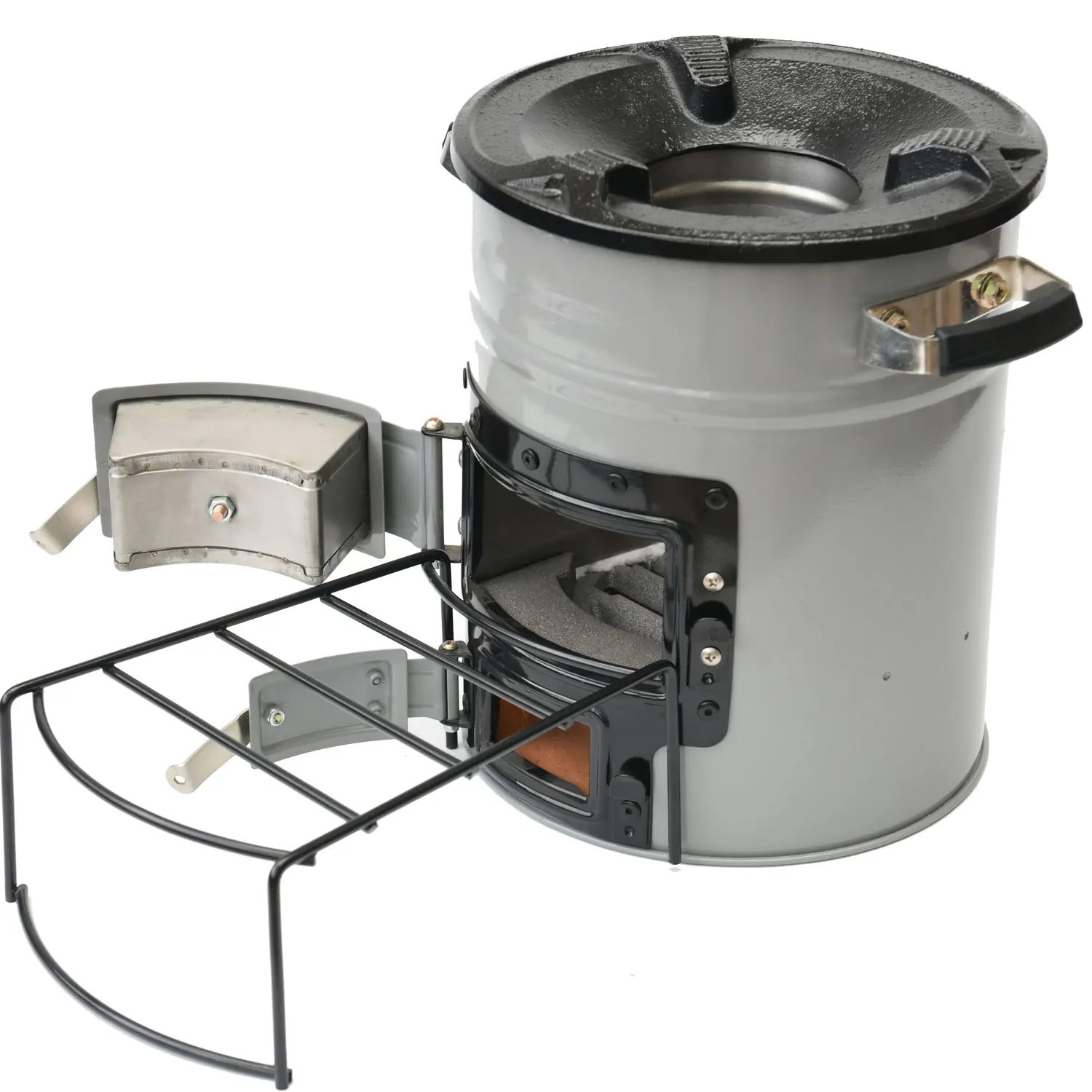
To increase the effectiveness and warmth of your wood burning stove, it is important to focus on the quality of the wood you use. Dried hardwoods, such as maple, burn hotter and longer than softwoods, making them ideal for heating. Do not use burning treated wood, driftwood, or colored paper, as these can emit harmful substances into the air. Proper storage of firewood ensures that it remains dry to burn, which not only increases the heat output but also minimizers smoke production.
Another key factor in achieving optimal performance is the way you light and maintain the fire. Utilize the Scandinavian method of lighting, which involves laying larger pieces of wood at the base and smaller pieces on top, creating a highly efficient burn. Once the fire is established, ensure a steady supply of air to maintain the flame without extinguishing. A properly managed fire not only heats your space well but also contributes to a warm atmosphere that wood burning stoves are known for.
Regular servicing and evaluations also play a vital role in improving your stove's efficiency. Schedule yearly cleanings of the chimney and flue to prevent debris buildup, which can reduce airflow and pose a fire hazard. Checking seals can prevent wasted heat and ensure your stove functions more efficiently. By investing time in these practices, not only do you enhance the durability of your stove, but you also create a warm, welcoming environment that makes winter evenings something to look forward to.